Sod Installation Near Me: How to Find Sod Installation Near Me
Your Complete Guide to Sod Installation: Creating a Vibrant Lawn
For achieving a lush lawn, appropriate sod installation is crucial. You should understand the suitable type of sod for your soil conditions and climate. Setting up your soil is equally crucial, and it establishes the foundation for success. But how do you ensure your sod grows successfully in its new environment? Let's discuss the essential steps and tips that can make all the difference in your landscaping efforts.
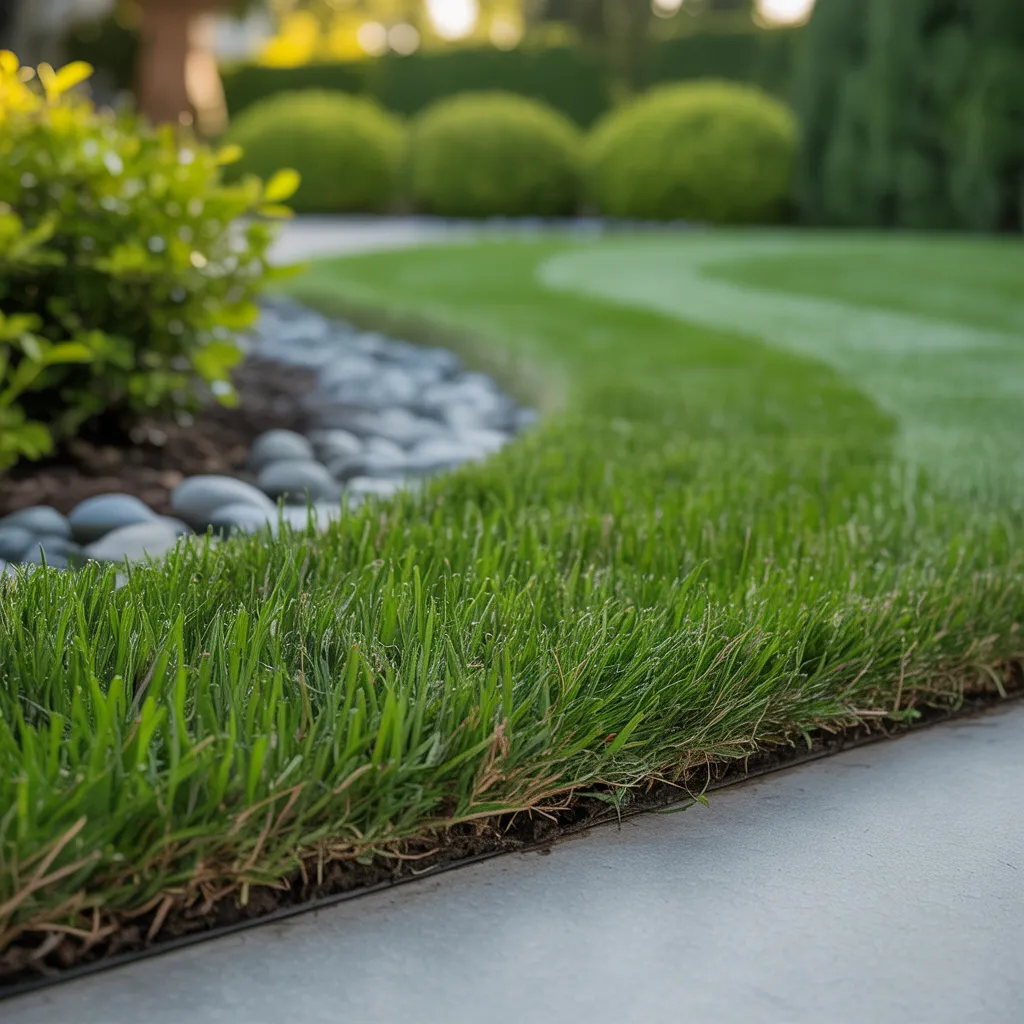
Picking the Most Suitable Sod Type for Your Climate Conditions
What's the best way to make sure your sod selection matches your climate conditions? First, consider your region's climate zone—whether it's cool-season or warm-season grasses. For those in northern regions, choose cool-season options such as Kentucky bluegrass or fescue. For warm-weather areas, Bermuda or zoysia grasses perform exceptionally well. Next, think about sunlight and shade; some grasses need full sun, while others tolerate shade better. Also examine your soil composition, since specific grasses excel in either sandy or clay conditions. Finally, account for your lawn's intended use—high-traffic areas might require more durable options. By carefully matching sod to your specific climate and conditions, you'll create a healthy, beautiful lawn that flourishes for years to come.
Preparing Your Soil for Sod Installation
Having a firm foundation is crucial for a flourishing lawn, so soil preparation for sod installation is vital. Start by clearing the area of debris, rocks, and weeds. This offers your sod the ideal conditions to become established. Following this, check your soil's pH and nutrient content; you might need to add lime or compost to establish optimal growing conditions. After you've modified the soil, till it to a depth of at least 4-6 inches to boost aeration and drainage capacity. Use a rake to develop a smooth, even surface, making sure there are no depressions where water can collect. Finally, lightly compact the soil before laying your sod, which promotes superior contact.
Comprehensive Step-by-Step Sod Installation Guide
Before you install your sod, gather your necessary equipment to secure a smooth installation procedure. You'll require sod rolls, a sharp knife, garden rake, and a roller. Start by outlining your lawn area and verifying the soil is level. Next, unroll your first sod piece along a straight edge, staggering edges like bricks for a natural aesthetic. Cut the ends of the sod to fit using your knife. Tightly press down the edges to remove gaps. Follow this method, making sure each piece is snug against the next. After laying all the sod, use the roller to press it down, enabling it make contact with the soil. Finally, check for any uneven areas and adjust as needed.
Hydration Techniques for Freshly Laid Sod
Once your sod is installed, achieving proper watering is key for its long-term health. Start by implementing an initial watering schedule to assist in root growth, followed by sustained watering habits to keep your lawn healthy. Here's how to keep your new sod in optimal condition with strategic watering approaches.
Starting Water Application Plan
To make certain your newly installed sod takes root successfully, you'll want to establish a consistent watering schedule right from the start. During the initial two weeks, aim to water your sod daily for approximately 15 to 30 minutes, ensuring the soil is moist but not waterlogged. Early mornings are the best time for watering, as this decreases evaporation and allows the grass to absorb moisture throughout the day. Keep an eye on weather conditions; if it rains, adapt your schedule accordingly. After two weeks, you can gradually reduce watering frequency but increase the duration to encourage deeper root growth. Bear in mind, keeping the sod consistently moist is vital during this early stage to promote a healthy, vibrant lawn.
Extended Water Application Strategies
After your sod has developed roots, transitioning to long-term watering practices becomes vital for maintaining a healthy lawn. Plan to water deeply but less frequently—about 1 to 1.5 inches per week, including rainfall. Early morning is the ideal time to water, minimizing evaporation and fungal growth. Utilize a rain gauge to measure your watering accurately, ensuring the moisture reaches the root zone. As temperatures rise, boost your watering frequency, but always check the soil's moisture first. Avoid shallow watering, as it fosters weak root systems. Pay attention to your lawn's color and texture; a dull hue indicates it might need more water. With these practices, you'll foster a lush, resilient lawn that thrives for years to come.
Expert Tips for Long-Lasting Sod Management
To keep your sod healthy and vibrant, it's essential to establish a regular watering schedule. Combine this with effective fertilization techniques and weed control strategies, and your lawn will thrive. We'll cover these essential tips for maintaining a lush landscape.
Regular Watering Schedule
A consistent watering schedule is essential for keeping your sod healthy and guaranteeing effective root development. Provide daily watering to your new sod for the first two weeks, aiming for about 1 to 1.5 inches of moisture each time. Morning hours are ideal for watering, as it lets the turf soak up moisture before the sun heats up. At the two-week mark, you can decrease irrigation to every other day for another two weeks. Once the sod has taken root, you can transition to a weekly schedule, providing deep irrigation to stimulate strong root growth. Always monitor soil moisture levels; if it feels dry an inch below the surface, watering is needed. Sticking to this regimen will help your lawn grow strong and stay green.
Nutrient Application Techniques
Proper fertilization is crucial for sustained sod upkeep, and recognizing when and how to apply it can be transformative. Initiate with a soil test to understand nutrient needs. Typically, you should fertilize your sod around four to six weeks after installation, using a balanced fertilizer with equal parts nitrogen, phosphorus, and potassium. Apply it at the recommended rate to stop burning your grass. During the growing season, consider a light application every six to eight weeks. Always water your lawn after fertilization to help the nutrients absorb into the soil. In fall, use a fertilizer higher in potassium to fortify roots for winter. By following these techniques, you'll encourage a thriving, lush lawn for years to come.
Strategies for Managing Weeds
After ensuring your sod has the nutrients it needs, controlling weeds becomes a key priority for preserving a vibrant lawn. Begin with regular mowing at the recommended height; this stops weeds from establishing themselves. Consider using a pre-emergent herbicide in early spring to keep weed seeds from sprouting. Manually removing weeds works well for small infestations—make sure to remove the roots to prevent regrowth. For resistant weeds, apply spot treatments with a selective herbicide that keeps your sod safe. Ensure your lawn is properly watered but steer clear of overwatering, as this can encourage weed growth. Finally, preserve a thick, vibrant turf; thick grass naturally crowds out weeds, providing you with a thick, green lawn for years to come.
Addressing Common Issues with Sod Installation
Ever wondered why your newly installed sod isn't thriving as expected? Several common issues could be at play. First, examine proper watering; sod should be kept consistently moist for the first two weeks. If it's too dry or waterlogged, your grass won't establish roots. Next, examine for signs of pests or diseases, which can hinder growth. Watch for discoloration or unusual spots. Soil quality is also essential—make sure it's well-aerated and packed with nutrients. If the sod isn't laying flat, roll it again to eliminate air pockets. Finally, be attentive to sunlight; make sure your sod is getting the appropriate amount of light for its type. Address these issues, and you'll be on your way to a lush lawn!
When Should You Install Sod?
Asking yourself when to install sod? Spring and early fall offer the best conditions. In spring, temperatures are mild, enabling rapid root development before the summer heat sets in. Plan for late April through early June. Similarly, overview early fall, generally between mid-August and mid-September, offers cooler weather, which supports vigorous root growth before cold weather takes hold.
Steer clear of installing sod during periods of extreme heat, as this can stress the grass and impede establishment. Equally, winter proves unsuitable due to low temperatures that could damage new sod. By properly timing your installation, you'll be setting your lawn up for success, ensuring it prospers magnificently in the seasons to come.
Common Questions
Can I Install Sod Over Existing Grass or Weeds?
You shouldn't install sod over existing grass or weeds. They'll compete for nutrients and water, limiting your new sod's growth. It's recommended to remove the old vegetation for a healthier, thriving lawn.
What Quantity of Sod Do I Need for My Yard?
To figure out how much sod you should order, assess your yard's square footage. Compute by multiplying the length by the width, then factor in 10% for waste. This way, you'll make certain you have sufficient sod for comprehensive coverage.
Is There a Warranty for Purchased Sod?
Warranties are offered by most sod suppliers, but details can differ. It's advisable to check with your supplier regarding the terms and duration. Keeping your receipt and following care instructions is important.
What Tools Do You Need for Sod Installation?
To install sod, you'll require a sharp spade, lawn rake, level, measuring tape, utility knife, and a turf roller. These tools help guarantee your sod lays flat, adheres properly, and creates a vibrant, healthy lawn.
Can I Install Sod in the Winter?
Sod can be laid in winter, however it's complicated. Freezing conditions can obstruct root growth. If you opt to continue, make certain the earth isn't frozen and check for temperature increases to support growth.